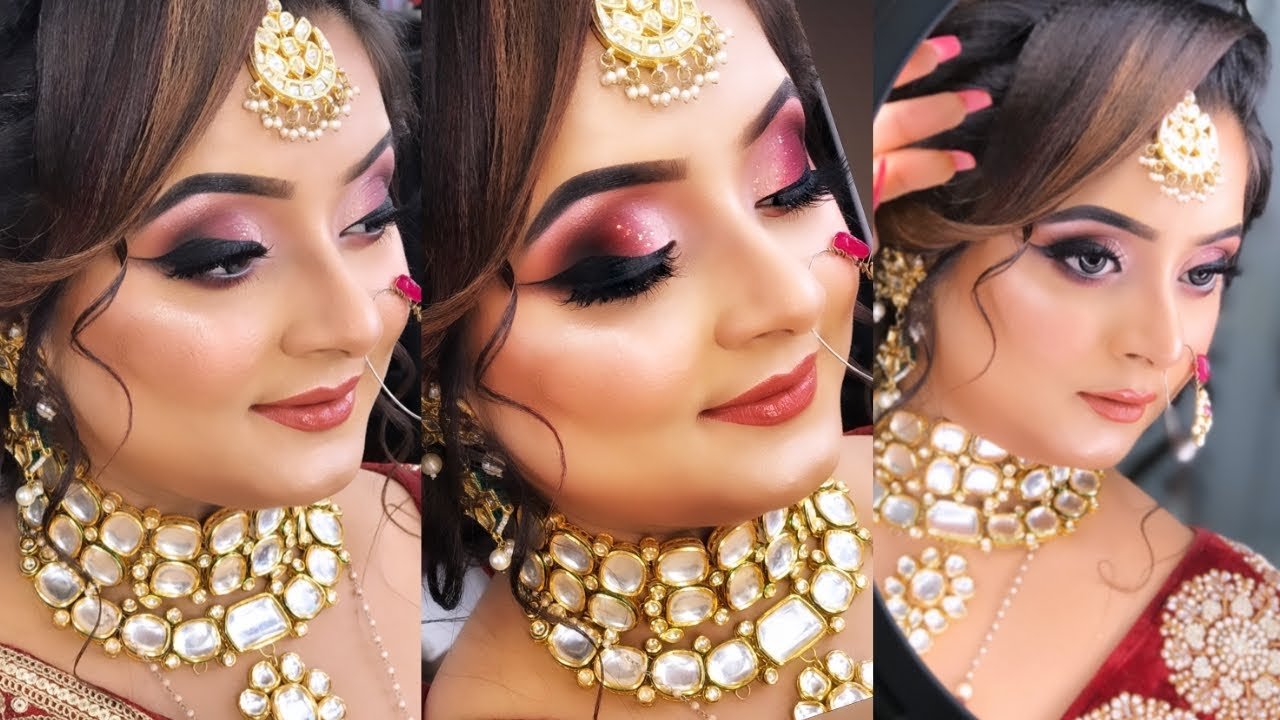
Have you ever wondered how something as simple as wrapping a piece of cloth around the body became one of the most elegant and culturally rich forms of dress? Draping isn’t just about covering the body — it’s a centuries‑old art form that connects tradition, identity, and style. At Radhika Rawal Makeovers, we celebrate this beautiful heritage by bringing expert draping techniques to life in every service we offer.
Whether it’s for a wedding, festival, special event, or personal photoshoot, our team blends deep knowledge of traditional draping history with modern precision — creating looks that are both timeless and perfectly suited to you. Let’s take a journey through the history of draping, explore how traditional clothing evolved, and understand how Radhika Rawal Makeovers brings these techniques into every draping service.
Where Draping Began: A Journey Through Time
Draped garments are among the oldest known forms of clothing in human history. Long before tailored clothing became the norm, people around the world used unstitched cloth — simply wrapped, folded, and secured — to dress themselves. Ancient civilizations like the Greeks and Romans celebrated draped garments in their art, sculptures, and everyday dress. These early styles laid the groundwork for many forms of clothing we recognize today.
In India, the roots of draping date back thousands of years. Long pieces of cloth were elegantly wrapped around the body to form garments such as the sari, uttariya, antariya, and later styles like the nivi drape. The Vedic texts of ancient India describe garments like the uttariya, a loose upper cloth, and antariya, a lower cloth wrap.
Over time, these simple wraps evolved into more structured and symbolic clothing. What started as practical draping transformed into regional identities and cultural expressions. For example, some early drapes shown in Indian terracotta and cave paintings wrapped the cloth snugly around the body, while others were worn more freely, reflecting local customs and aesthetics.
The Rich Tradition of Indian Draped Clothing
One of the most iconic results of this evolution is undoubtedly the sari — a single piece of fabric that can be draped in countless ways, depending on region, occasion, and personal style. While today we might think of a sari as six yards of elegance, many of its early forms were simpler and deeply symbolic.
Traditional draping styles in India showcase this incredible diversity:
-
Nivi Style — The most widely recognized form, originating in the Deccan region, draping around the waist with pleats and pallu over one shoulder.
-
Bengali Style — Known for minimal pleats and pallu draped over both shoulders for a graceful finish.
-
Gujarati Style — Characterized by the pallu draped across the front over the right shoulder.
-
Maharashtrian “Nauvari” Style — A nine‑yard drape worn almost like a dhoti, offering freedom of movement and a bold silhouette.
-
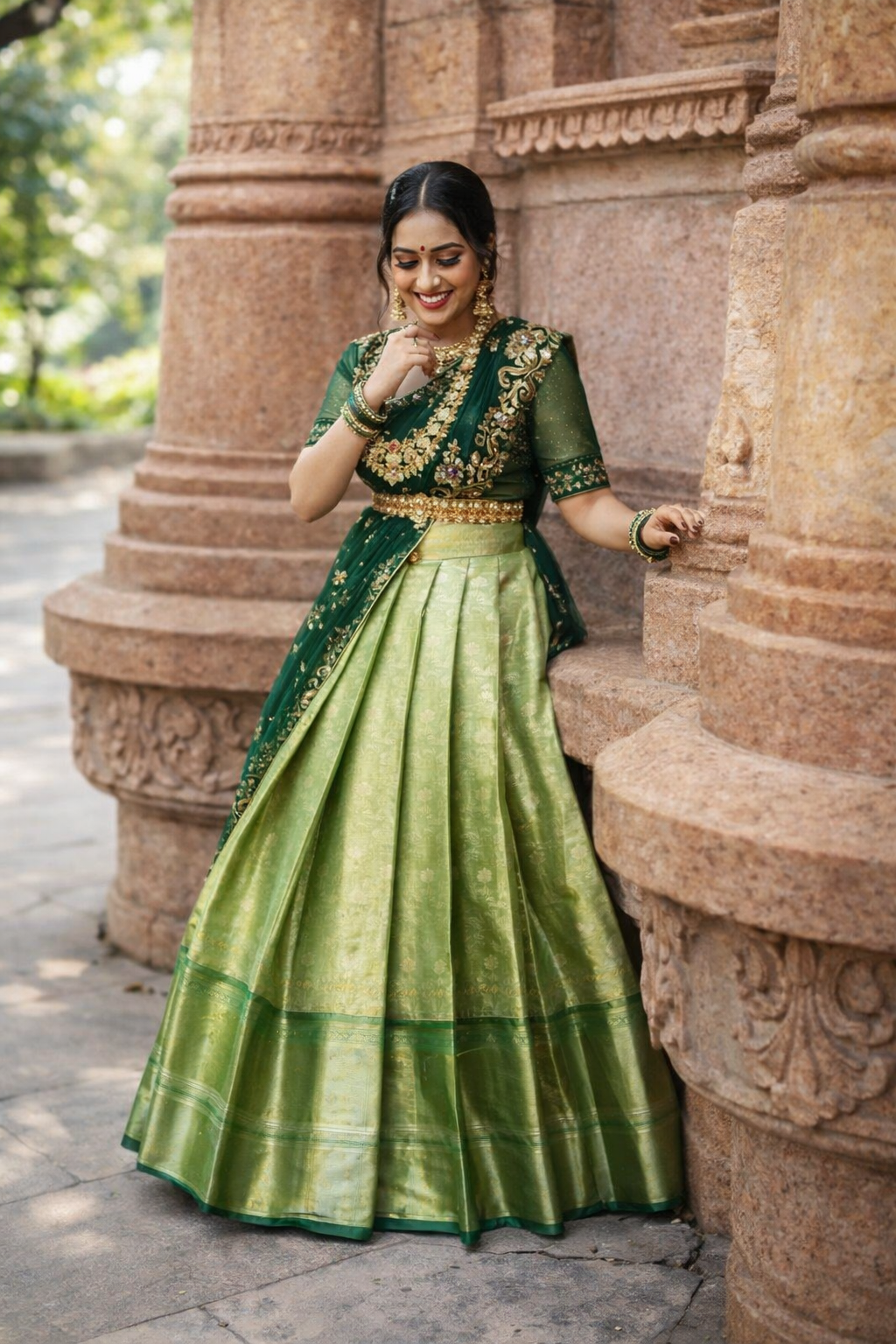
Mundum Neriyatum — The traditional attire of Kerala women, two pieces styled with graceful pleats and golden borders.
These draping styles don’t just vary in appearance — they carry deep cultural roots, often tied to local rituals, climate, and history. For instance, the dhoti‑style drapes allowed easier mobility in agrarian societies and were associated with both work and ceremonial wear.
Even today, each region’s unique approach to draping reflects a rich historical narrative — from royal courts to everyday celebrations, draping has always been a powerful form of self‑expression and cultural identity.
Why Draping Matters: More Than Just Clothing
Draping isn’t simply about wrapping a cloth. It’s a skill that blends tradition, body‑awareness, and creativity. Every pleat, fold, and tuck can change how the garment looks, how it feels to wear, and even how it reflects your personality. In traditional contexts, the way a garment was draped could denote marital status, regional identity, and even social role.
Today, as fashion evolves, draping remains one of the most expressive elements of Indian attire — from bridal elegance to festive celebrations. And while there are modern shortcuts like pre‑stitched drapes, many still choose traditional draping for its authentic beauty and heritage value.
Draping Services at Radhika Rawal Makeovers: Tradition Meets Expertise
At Radhika Rawal Makeovers, we understand that draping is an art — one that deserves attention, expertise, and respect for tradition. Whether you’re wearing a classic silk sari for a wedding, a traditional drape for a festival, or a custom style for a photoshoot, our team brings deep knowledge and careful technique to every service.
Here’s how we make your draping experience unique:
-
Personalized Consultation — We begin by understanding your event, outfit, and personal style. What works for one occasion may not fit another, and we tailor every drape accordingly.
-
Attention to Detail — From precise pleats to balanced pallu fall, we ensure every fold enhances your silhouette and comfort.
-
Mix of Tradition and Modern Style — We respect historical draping foundations while also incorporating modern aesthetics — whether subtle, bold, or fashion‑forward.
-
Comfort‑First Approach — Beauty should never come at the cost of comfort. Our draping styles are designed to look stunning yet feel secure throughout your event.
Every drape we create — whether classic nivi, Maharashtrian nauvari, or any regional style — reflects our passion for preserving tradition while celebrating individuality.
Draping Today: A Seamless Blend of Tradition and Style
Even as fashion evolves, traditional draping remains timeless. Celebrities, designers, and style influencers continue to embrace classic drapes with modern twists — proving that heritage clothing is not just about history, but about relevance and reinvention in contemporary fashion.
At Radhika Rawal Makeovers, we believe every drape tells a story — your story. From the first fold to the final look, we help you wear tradition with confidence and elegance.
Sources: Historical references on draping and traditional Indian clothing (Times of India, Wikipedia, Daily Star)