Boho top dresses have become one of the most loved fashion trends in recent years, especially during the summer season. Known for their free-spirited, relaxed, and artistic vibe, these outfits perfectly blend comfort with style. Whether worn for casual outings, beach vacations, or summer festivals, boho dresses offer a unique charm that makes them stand out in modern fashion.
In this blog, we will explore what boho top dresses are, their origin and history, how they became popular, and the best ways to style them in summer for a trendy yet comfortable look.
What Are Boho Top Dresses?
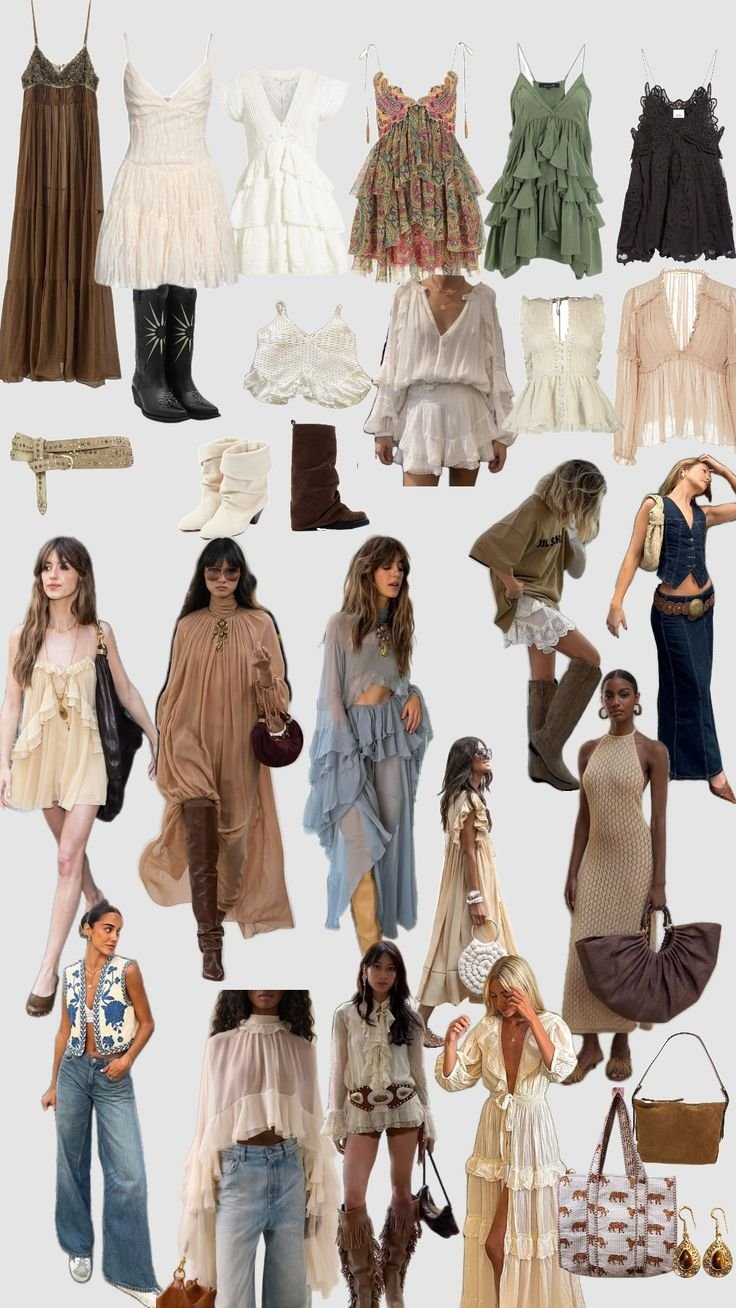
Boho top dresses, also known as bohemian-style dresses or boho-chic outfits, are clothing pieces inspired by a mix of cultural, artistic, and vintage influences. They are typically characterized by:
- Loose and flowy silhouettes
- Lightweight and breathable fabrics
- Floral, tribal, or ethnic prints
- Earthy tones and soft pastel colors
- Embroidery, lace, tassels, or fringe detailing
The main idea behind boho fashion is comfort and self-expression. It is not about following strict fashion rules but embracing individuality and creativity.
Boho dresses often include maxi dresses, peasant tops, tunic-style dresses, and layered outfits that give a relaxed yet elegant appearance.
The History and Origin of Boho Fashion
The boho fashion style has a rich cultural and artistic background. The term “boho” comes from “bohemian,” which was originally used to describe artists, writers, and free-spirited individuals in 19th-century France who lived unconventional lifestyles.
1. The Bohemian Movement (19th Century Europe)
Bohemian fashion started with creative communities in Europe who rejected traditional social norms. They preferred simple, comfortable clothing that allowed freedom of movement and self-expression rather than structured or formal outfits.
2. Influence of Gypsy and Nomadic Culture
Boho style was also influenced by Romani (Gypsy) and nomadic cultures. Their clothing often included flowing skirts, layered fabrics, and decorative embroidery, which later became a core part of bohemian fashion aesthetics.
3. The 1960s–70s Hippie Movement
Boho fashion became globally popular during the hippie movement in the 1960s and 1970s. Young people embraced peace, love, and freedom, and their clothing reflected these values. Flowy dresses, natural fabrics, floral prints, and handmade accessories became iconic during this era.
4. Modern Boho-Chic Fashion
Today, boho fashion has evolved into a polished and stylish version known as “boho-chic.” It is widely seen on fashion runways, celebrity styling, and social media influencers. Designers have modernized boho outfits by blending traditional elements with contemporary cuts and fabrics.
Why Boho Dresses Are Perfect for Summers
Boho top dresses are especially popular in summer because they are designed for comfort and breathability. Here’s why they are ideal for hot weather:
1. Lightweight Fabrics
Boho dresses are usually made from cotton, chiffon, linen, or rayon, which allow air circulation and keep the body cool.
2. Loose Fit Design
The relaxed and flowy structure prevents discomfort caused by tight clothing during hot and humid weather.
3. Breathable and Skin-Friendly
Natural fabrics reduce sweating and irritation, making them ideal for long summer days.
4. Easy to Style
Boho outfits do not require heavy accessories or complicated styling. They naturally create a stylish look with minimal effort.
How to Style Boho Top Dresses in Summers
Styling boho dresses is all about balance — keeping it simple, natural, and elegant. Here are some professional styling tips:
1. Pair with Flat Sandals or Espadrilles
For a true boho vibe, choose comfortable footwear like leather sandals, gladiators, or espadrilles. They complement the relaxed look perfectly.
2. Add Layered Jewelry
Boho fashion loves accessories. You can wear:
- Layered necklaces
- Beaded bracelets
- Feather earrings
- Oxidized silver jewelry
These elements enhance the artistic feel of the outfit.
3. Use a Straw Hat or Headscarf
For summer outings or beach vacations, a straw hat or printed scarf adds both style and sun protection.
4. Go for Natural Makeup
Soft, glowing makeup works best with boho dresses. Use nude tones, light blush, and minimal eye makeup for a fresh summer look.
5. Choose Crossbody or Fringe Bags
Small sling bags or fringe bags complete the boho aesthetic while keeping the look practical.
6. Layer with Lightweight Shrugs or Kimonos
For evening outings, you can add a light shrug or kimono-style jacket for an extra stylish touch.
Where Can Boho Fashion Be Worn?
Boho top dresses are extremely versatile and can be worn on multiple occasions such as:
- Summer vacations
- Beach trips
- Music festivals
- Casual day outings
- Brunch dates
- College or casual gatherings
Their adaptability makes them a must-have wardrobe essential for modern women.
The Global Popularity of Boho Fashion
Boho fashion has become a global trend, embraced by fashion designers, celebrities, and influencers worldwide. Its popularity lies in its ability to combine comfort with artistic expression. Brands often include boho-inspired collections in summer and resort wear due to high demand.
Social media platforms like Instagram and Pinterest have also played a huge role in spreading boho fashion trends, especially among young audiences who prefer aesthetic and effortless styling.
Conclusion
Boho top dresses are more than just a fashion trend — they represent freedom, creativity, and individuality. From their historical roots in bohemian and hippie culture to their modern-day stylish interpretations, boho dresses have evolved into a timeless summer essential.
Their breathable fabrics, relaxed fits, and artistic designs make them perfect for warm weather, while their versatile styling options allow endless creativity. Whether you are heading to a beach, a casual outing, or a festive summer event, boho dresses offer the perfect blend of comfort and elegance.
In a world of fast-changing fashion trends, boho style continues to stand strong as a symbol of effortless beauty and free-spirited living.