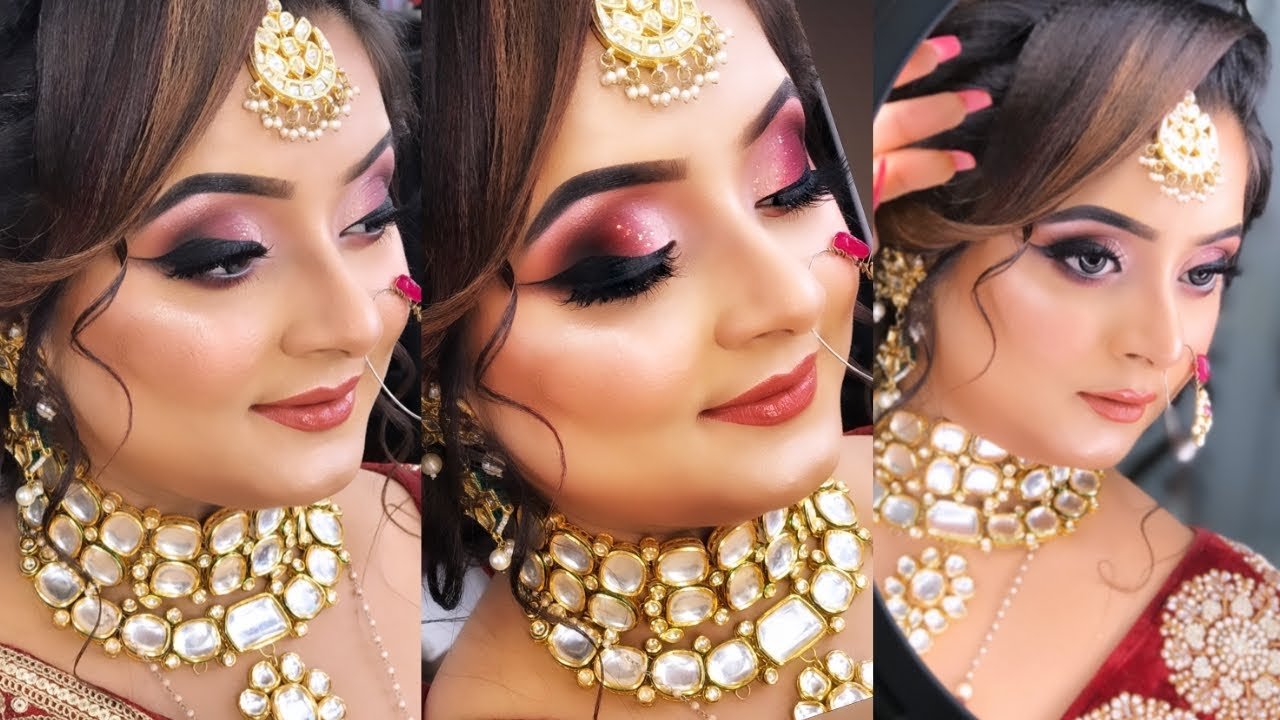
The saree is not just a garment — it is a symbol of grace, tradition, and cultural identity that has endured for thousands of years. From ancient civilizations to modern fashion runways, the saree has evolved beautifully, yet it continues to hold its essence as one of the most beloved pieces of attire for women across the world. In this blog, we explore the fascinating history of the saree, the diverse styles in which it is draped, and why it remains a favourite for so many.
A Journey Through Time: The History of the Saree
The saree’s origins trace back to ancient times, with evidence suggesting that women in the Indian subcontinent wore draped garments similar to the saree as early as the Indus Valley Civilization (around 2800–1800 BCE). The very word “saree” comes from the Sanskrit term sati or satika, meaning a strip of cloth — a fitting description for this unstitched piece of fabric that would later become iconic.
Unlike stitched outfits, the saree is typically an unstitched length of cloth ranging from five to nine yards. It is traditionally wrapped around the waist, with one end draped over the shoulder, creating a silhouette that is both elegant and versatile. Over centuries, the saree evolved from simple drapes of cotton or muslin to elaborate silk weaves and artistic masterpieces that reflect the cultural richness of different regions.
During various historical periods, including the Mughal era and later colonial times, the saree adapted in style and technique. Weaving centres flourished in regions like Varanasi, Kanchipuram, Bengal, and Gujarat, each contributing unique fabrics, motifs, and craftsmanship that enriched the saree’s legacy.
Why the Saree Endures: Cultural and Aesthetic Significance
The saree’s longevity lies in its deep cultural roots and aesthetic versatility. Unlike many garments that fall in and out of fashion, the saree has maintained relevance because it adapts to both tradition and contemporary trends. It is worn for daily life, religious ceremonies, weddings, festivals, and even modern fashion events, making it a truly universal attire.
One of the reasons the saree remains beloved is its ability to celebrate femininity and elegance without losing practicality. For centuries, women have chosen sarees not only for their beauty but also for their comfort and adaptability to climate, social norms, and personal style. A saree can be simple and understated or richly embroidered and luxurious — the choice is limitless.
Classic Saree Draping Styles That Define Tradition
Across India and South Asia, the saree is draped in numerous ways, each reflecting regional heritage and cultural identity. These draping styles not only enhance the garment’s aesthetic but also tell stories of tradition and community. Here are some of the most iconic draping styles:
1. Nivi Style (Andhra-Telugu)
The most widely recognized saree drape today, the Nivi style features neat pleats at the front and the pallu (loose end) draped over the shoulder. It is elegant, timeless, and suitable for both formal and casual occasions.
2. Bengali Aatpoure
In this style, the pallu comes from the back to the front and is draped over both shoulders. It creates a boxy, graceful silhouette and is especially popular during festivals and traditional events.
3. Gujarati Seedha Pallu
Here, the pallu is brought over the shoulder and spread across the front. This style highlights the intricate border and design of the saree, making it a favourite for weddings and celebrations.
4. Maharashtrian Nauvari (Kaashtha/Kasta)
A unique nine-yard drape, the Nauvari resembles a dhoti and allows ease of movement. It is deeply rooted in Maharashtrian culture and is often worn during traditional ceremonies.
5. Tamil Madisar
A ceremonial drape traditionally worn by Tamil Brahmin women, the Madisar requires a special technique and carries deep cultural significance.
6. Coorgi/Kodagu Style
Originating from Karnataka’s Coorg region, this style is pinned at the shoulder and tucked at the back, offering a distinctive silhouette.
Each of these drapes not only showcases regional diversity but also demonstrates how the saree transcends mere fashion to become a cultural emblem.
Popular Saree Types: Traditional and Modern
The diversity of sarees extends beyond draping styles to the fabrics, patterns, and weaving techniques that define them. Here are some popular varieties:
Banarasi Sarees
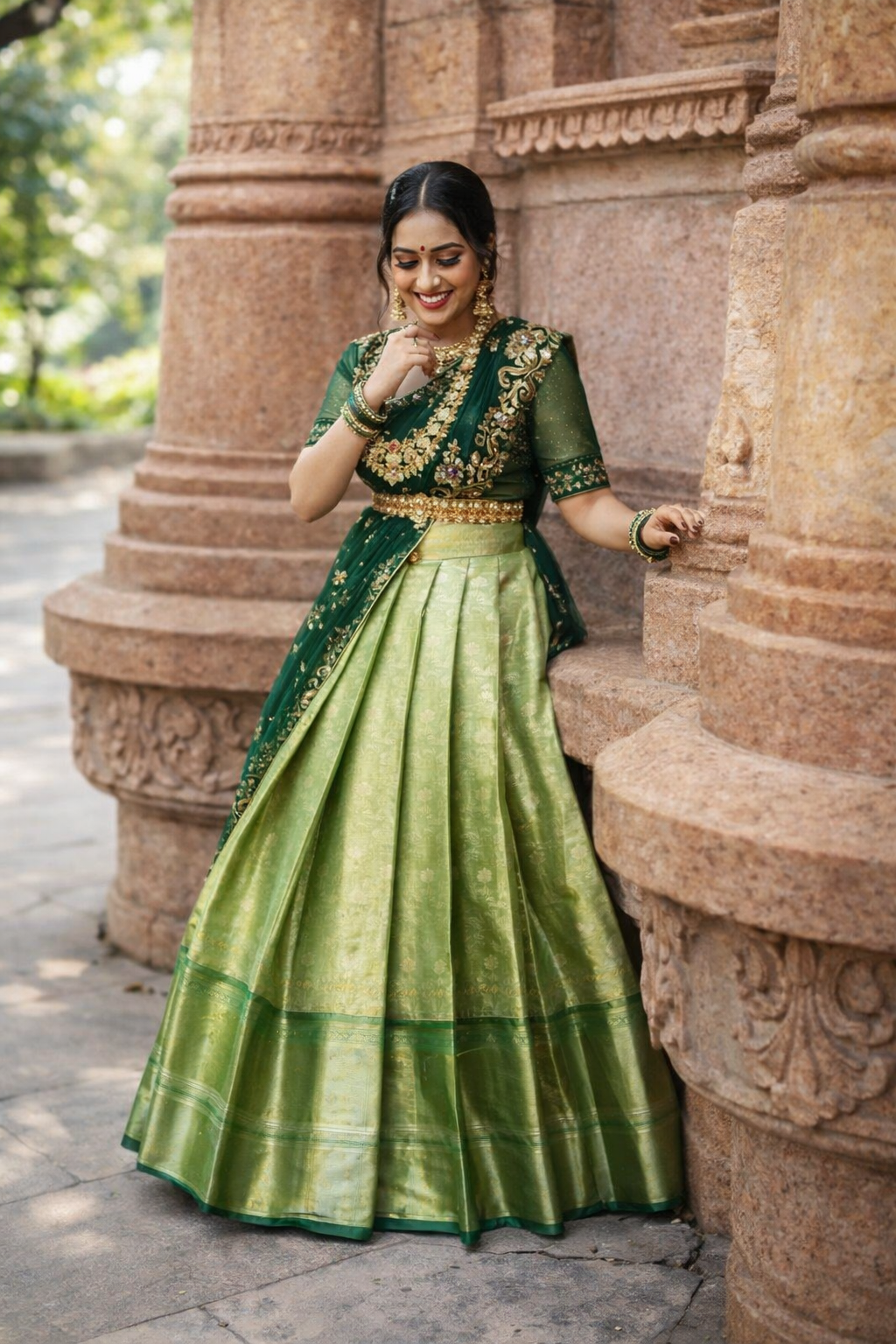
Originating from Varanasi, these sarees are known for their intricate gold and silver zari work, floral motifs, and rich texture. They are a staple for weddings and formal events.
Kanjeevaram Sarees
Hailing from Tamil Nadu, Kanjeevaram sarees are silk masterpieces with bold borders and traditional temple motifs. They are prized for their opulence and durability.
Bandhani Sarees
Popular in Gujarat and Rajasthan, Bandhani sarees feature vibrant tie-dye patterns that create small, eye-catching dots across the fabric.
Modern Fusion Styles
Contemporary saree styles include ruffle sarees, saree gowns, and pant-style drapes that blend traditional elegance with modern fashion sensibilities.
From cotton and silk to chiffon and georgette, the choice of fabric also plays a crucial role in how a saree feels and looks. Lightweight cotton sarees are perfect for daily wear, while silk and embellished fabrics are reserved for special occasions.
Why Everyone Loves the Saree
The saree’s enduring popularity stems from its ability to evolve while retaining its core identity. It is a garment that celebrates womanhood, culture, and artistry. Whether worn in its most traditional form or styled with contemporary flair, the saree continues to capture hearts across generations.
In a world where fashion trends change rapidly, the saree stands as a testament to timeless elegance. Its versatility — from classic drapes to modern interpretations — ensures that it remains a favourite for weddings, festivals, and everyday fashion alike.
Conclusion
The saree is more than just clothing; it is a cultural icon that tells a story of heritage, craftsmanship, and aesthetic brilliance. From its ancient beginnings to its place in today’s fashion world, the saree remains an embodiment of elegance and tradition. Whether you prefer classic silk weaves or contemporary styles, the saree offers something for every woman and every occasion.
Embracing the saree means celebrating tradition with a modern twist — a fusion of past and present that will continue to inspire fashion lovers around the globe.