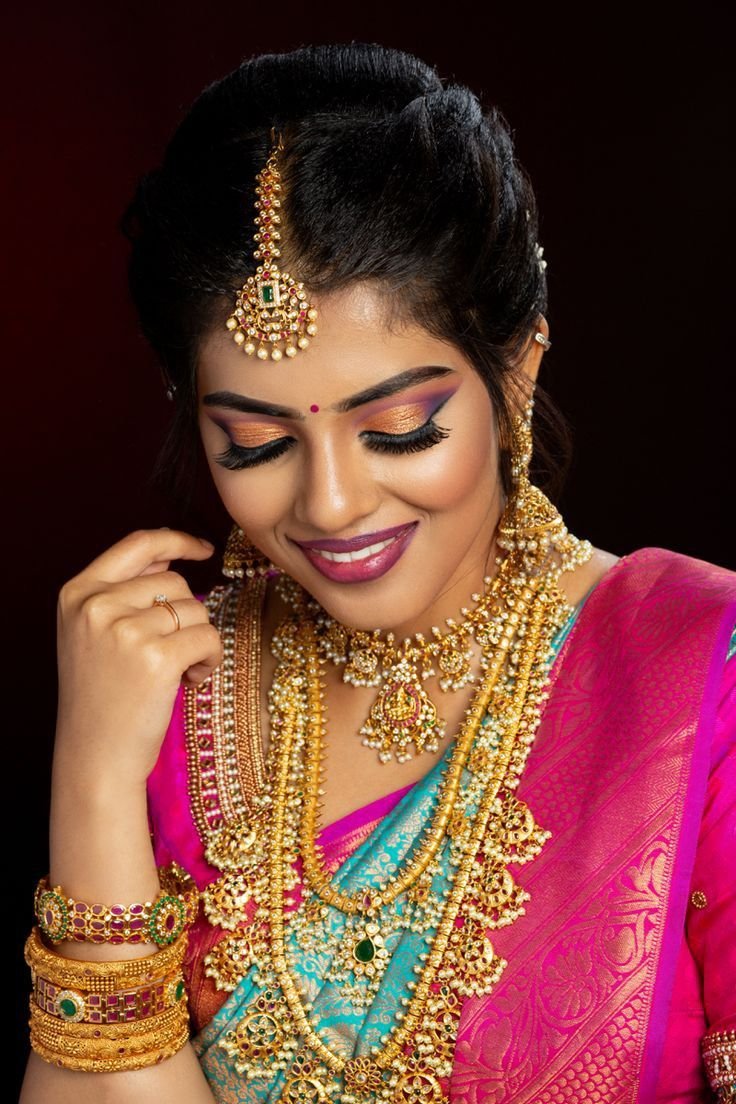
Makeup artistry involves more than applying foundation, lipstick, and eyeshadow. It requires an understanding of skin preparation, facial features, colour theory, product selection, hygiene, lighting, and different makeup styles. Professional education helps learners understand how these elements work together to create balanced and suitable looks for different occasions.
With growing interest in bridal makeup, fashion photography, events, media, and personal beauty services, skilled makeup artists can explore several professional pathways. Choosing the right academy is an important step towards developing these skills and building a strong portfolio.
What Is a Professional Makeup Academy?
A Professional Makeup Academy is a training institute that teaches makeup techniques through theoretical lessons, practical demonstrations, supervised practice, and creative assignments.
Depending on the course structure, students may learn everyday makeup, party makeup, bridal looks, HD makeup, airbrush techniques, editorial makeup, and professional client preparation.
A well-structured course generally combines technical skills with practical knowledge of products, tools, hygiene, consultation, and professional conduct. Students may also receive guidance on photography, portfolio development, pricing, and client communication.
The objective is to help learners understand not only how to recreate a particular makeup look but also how to adapt techniques to different skin types, facial structures, preferences, and working conditions.
Courses Offered by a Professional Makeup Academy
1. Basic Makeup Course
A basic makeup course is suitable for beginners who want to understand essential makeup techniques. It generally introduces skin preparation, foundation matching, concealing, powder application, blush placement, eye makeup, and lip definition.
Students learn how to select and apply products appropriately while developing control over brushes and other makeup tools.
2. Professional Makeup Artist Course
A professional makeup artist course usually covers a broader range of techniques and practical applications. It may include face analysis, colour correction, contouring, highlighting, advanced eye makeup, product layering, and makeup for different occasions.
Depending on the academy, students may practise complete looks under different lighting conditions and receive feedback on technique, blending, finish, and overall presentation.
3. Bridal Makeup Course
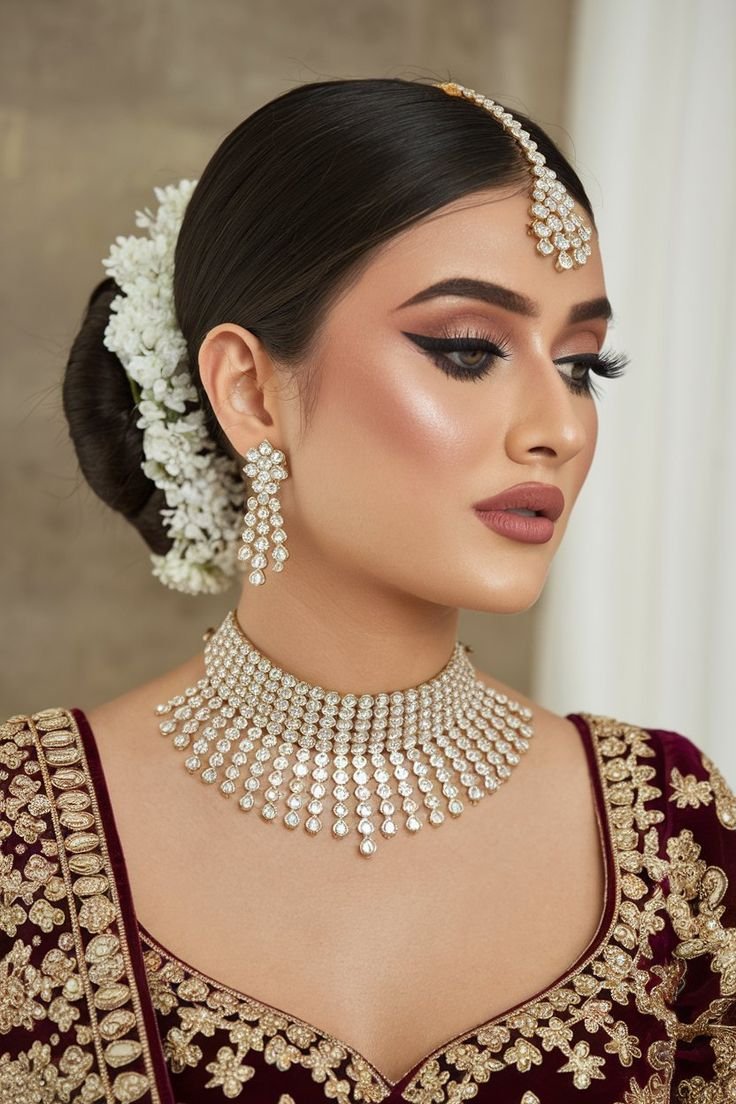
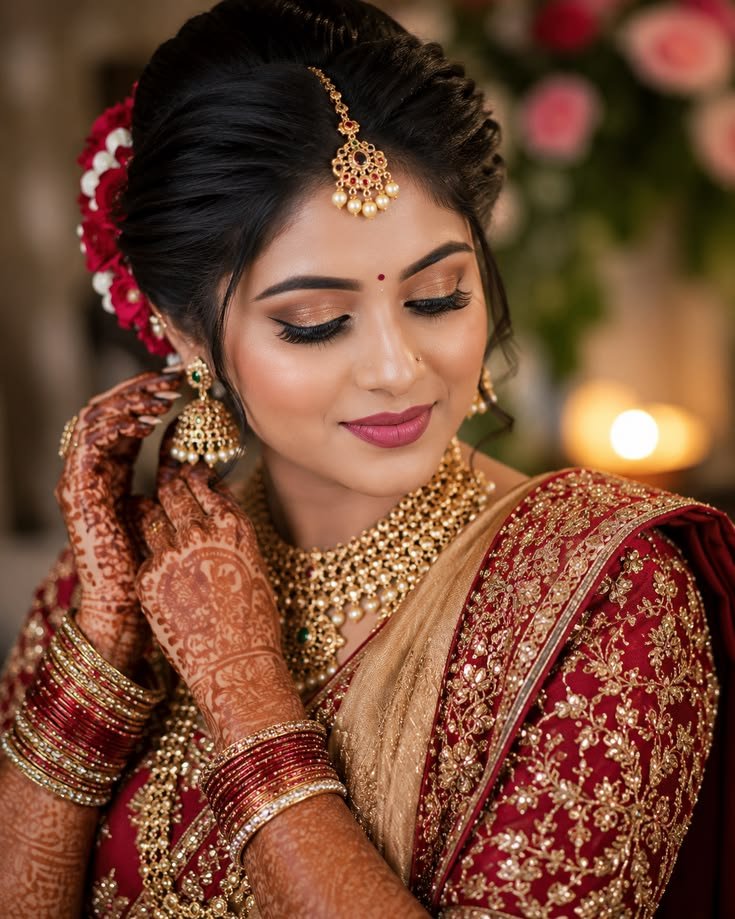
Bridal makeup requires careful planning because the makeup must complement the outfit, jewellery, hairstyle, event setting, and personal preferences of the bride.
A bridal makeup course may cover traditional bridal looks, contemporary styles, long-wear techniques, skin preparation, photography-friendly finishes, and trial consultations.
Students may also learn how to manage appointment schedules, prepare kits, and communicate with clients before important events.
4. HD Makeup Course
High-definition (HD) makeup focuses on creating a refined finish that appears balanced under high-resolution photography and video. It often involves careful product selection, precise blending, and controlled application.
Training may cover complexion correction, layering, texture management, and adapting the finish to the client’s skin and the requirements of the shoot or event.
5. Airbrush Makeup Course
Airbrush makeup uses specialised equipment to apply cosmetic products in a fine, controlled layer. It can be useful for selected bridal, photography, and event applications.
Students may learn equipment handling, product compatibility, application distance, coverage control, cleaning procedures, and safe kit maintenance. Airbrush techniques require practice to achieve an even finish.
6. Party and Occasion Makeup
Party makeup focuses on looks suitable for celebrations, receptions, festivals, engagements, and social events.
Students may learn soft glam, bold eye makeup, smokey eyes, glowing complexion techniques, and ways to balance eye and lip colours. The training helps them adapt looks according to the occasion, outfit, lighting, and client’s preferences.
7. Editorial and Fashion Makeup
Editorial makeup is commonly used in fashion photography, creative campaigns, runway presentations, and visual storytelling.
This training may involve colour experimentation, graphic eyeliner, creative textures, unconventional looks, and collaboration with photographers and stylists. It can be particularly useful for students interested in fashion and media assignments.
Essential Skills You Can Learn
A Professional Makeup Academy should help students develop both technical ability and professional working habits.
Skin Preparation and Complexion
Good makeup application begins with understanding the condition of the skin. Students learn to prepare the skin appropriately, choose compatible products, and apply complexion products in a way that suits the desired finish.
They should also understand when to avoid products that may cause irritation and when to recommend that a client seek advice from a qualified skincare professional.
Colour Theory and Foundation Matching
Colour theory helps makeup artists select complementary shades and understand undertones. Foundation matching involves considering the client’s skin tone, natural undertone, lighting, and product finish.
Correct shade selection can help create a more natural-looking complexion and reduce visible differences between the face and neck.
Eye Makeup Techniques
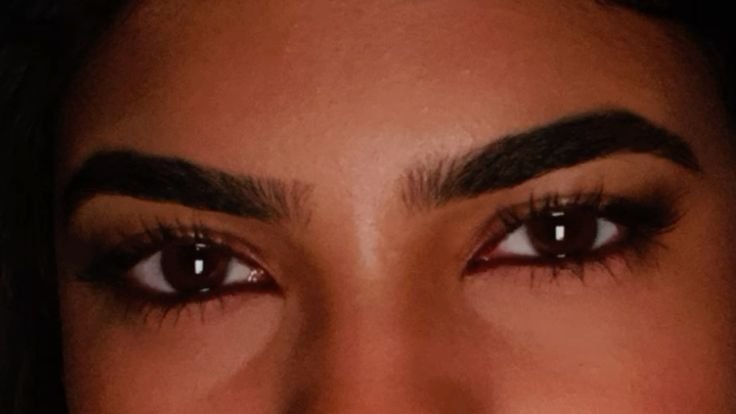
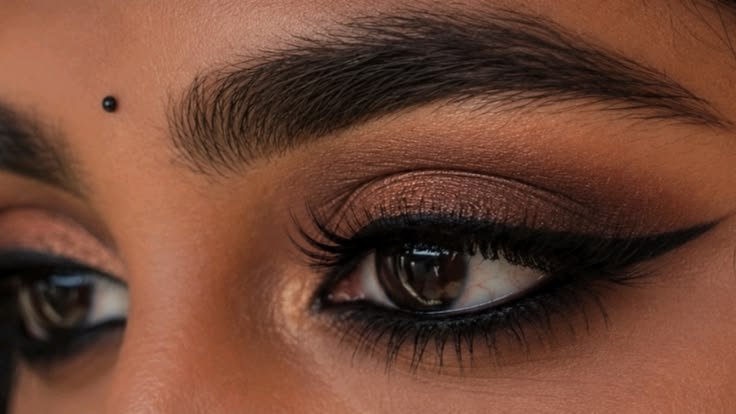
Eye makeup requires precision, blending, and an understanding of eye shape. Training may include eyeshadow transitions, eyeliner application, lash placement, brow definition, and techniques for creating soft or dramatic looks.
Students also learn to adapt these techniques to the client’s comfort and the overall makeup design.
Makeup Tools and Product Knowledge
Professional artists work with brushes, sponges, palettes, complexion products, eye products, and specialised tools. Understanding how to use and maintain these items supports consistent application and good hygiene.
Students should learn to clean reusable tools correctly, follow product instructions, check expiry and storage conditions, and avoid cross-contamination between clients.
Client Consultation
Client consultation helps a makeup artist understand the desired look, event requirements, skin sensitivities, preferred products, and comfort level.
Clear communication reduces misunderstandings and helps the artist plan the service effectively. A professional consultation may also cover appointment duration, pricing, travel requirements, and cancellation terms.
Why Choose a Professional Makeup Academy?
Structured Learning
A structured course provides a learning sequence, from foundational skills to more advanced techniques. This can be helpful for beginners who may otherwise struggle to distinguish reliable methods from inconsistent online tutorials.
Practical Experience
Hands-on practice allows students to apply techniques, identify mistakes, and improve through feedback. Training quality depends on the amount of supervised practice and the opportunities available to work on different faces and makeup styles.
Guidance from Experienced Instructors
Qualified and experienced instructors can demonstrate techniques, explain product choices, and provide constructive feedback. Before enrolling, learners should review the trainers’ professional work and teaching experience.
Portfolio Development
A portfolio demonstrates a makeup artist’s style, technical ability, and range of work. Students may build a portfolio through supervised practice, creative projects, and properly organised photography, with appropriate consent from anyone whose images are used.
Career Preparation
Some academies also provide guidance on client handling, kit preparation, service pricing, professional presentation, and finding suitable opportunities. These skills can be as important as makeup application when starting a career.
Career Opportunities After Makeup Training
Completing a makeup course may help learners prepare for different roles within the beauty and creative industries. Career opportunities depend on skill, experience, portfolio quality, location, networking, and market demand.
Potential career paths include:
-
Bridal Makeup Artist: Providing makeup services for weddings and related ceremonies.
-
Freelance Makeup Artist: Working with individual clients for events, parties, and personal occasions.
-
Fashion Makeup Artist: Collaborating on fashion shoots, campaigns, and runway projects.
-
Editorial Makeup Artist: Creating makeup looks for magazines, creative photography, and visual campaigns.
-
Film and Media Makeup Artist: Working on suitable production, television, video, or other media assignments.
-
Salon Makeup Professional: Offering makeup services as part of a salon or beauty business.
-
Beauty Content Creator: Producing makeup tutorials, product demonstrations, and educational content.
-
Makeup Educator: Teaching others after developing sufficient practical experience and teaching capability.
Some professionals begin with freelance assignments and gradually expand through referrals, collaborations, and repeat clients.
How to Choose the Right Professional Makeup Academy
Selecting an academy requires more than comparing course fees. Students should evaluate the curriculum, training methods, instructor experience, practice opportunities, and transparency of the institute.
Consider the following factors before enrolling:
-
Course curriculum: Confirm which makeup styles and techniques are included.
-
Practical training: Ask how much hands-on practice is provided and whether students receive individual feedback.
-
Instructor experience: Review the instructor’s portfolio and professional background.
-
Class size: Consider whether the training format allows sufficient guidance.
-
Products and equipment: Clarify whether products and tools are included in the fees or must be purchased separately.
-
Portfolio support: Ask whether students can participate in supervised shoots or portfolio-building activities.
-
Certificate details: Understand the nature of the certificate and whether it represents course completion or an externally recognised qualification.
-
Fees and duration: Request a clear breakdown of tuition, materials, assessments, and any additional charges.
-
Student work: Review genuine examples of student work, where available, rather than relying only on promotional images.
-
Post-course guidance: Check whether the academy provides mentoring, career guidance, or additional practice opportunities.
A careful comparison can help learners select training that matches their budget, current skill level, and career goals.
Building a Successful Makeup Artistry Career
Professional training is an important starting point, but consistent practice is necessary to develop reliable skills. Students should practise different techniques, study how makeup appears under varied lighting, and learn to adapt their approach to individual clients.
Creating a portfolio with diverse looks can help demonstrate versatility. Professional photographs should represent the artist’s actual work and be shared with the necessary permissions.
New makeup artists can build experience through appropriate collaborations, assisting experienced professionals, and taking suitable assignments within their abilities. Maintaining punctuality, communicating clearly, keeping tools hygienic, and respecting client preferences helps establish a professional reputation.
Artists should also keep learning as products, techniques, and client preferences evolve. Continued practice and honest assessment of their work can support long-term improvement.
Frequently Asked Questions
1. Who can join a Professional Makeup Academy?
Many makeup courses welcome beginners as well as learners with previous beauty experience. Eligibility, age requirements, and prerequisites vary by academy, so applicants should confirm the conditions before enrolling.
2. How long does a professional makeup course take?
Course duration depends on the curriculum and training format. Short introductory workshops may take a few days, while comprehensive professional programmes may run for several weeks or months.
3. Do I need prior experience to learn makeup artistry?
Prior experience is not always necessary. A beginner-friendly course should introduce fundamental techniques before progressing to more advanced makeup styles.
4. What should I look for in a makeup academy certificate?
Check who issues the certificate, what the course assesses, and whether any external accreditation or recognition is explicitly documented. A certificate alone does not guarantee employment or professional success.
5. Can I become a freelance makeup artist after training?
Training can help you develop the necessary foundation, but freelance work also requires practice, a strong portfolio, suitable products, client communication, pricing knowledge, and consistent service quality.
6. What is included in a professional makeup course?
Depending on the programme, the course may include skin preparation, foundation matching, eye makeup, bridal makeup, HD or airbrush techniques, hygiene, practical assessments, and portfolio guidance. Always confirm the actual syllabus with the academy.
7. Is professional makeup training worth it?
It may be worthwhile for people seeking structured learning, instructor feedback, and practical experience. The value depends on course quality, fees, learning opportunities, and the student’s commitment to continued practice.
Conclusion
A Professional Makeup Academy can provide the practical foundation needed to explore makeup artistry as a career or develop advanced personal skills. From complexion preparation and colour theory to bridal, party, and editorial makeup, structured training helps learners understand the techniques behind different professional looks.
Choosing an academy with a relevant curriculum, experienced instructors, hands-on practice, and transparent course information can make the learning experience more valuable. With consistent practice, portfolio development, and a professional approach to client service, aspiring makeup artists can work towards building their place in the beauty industry.