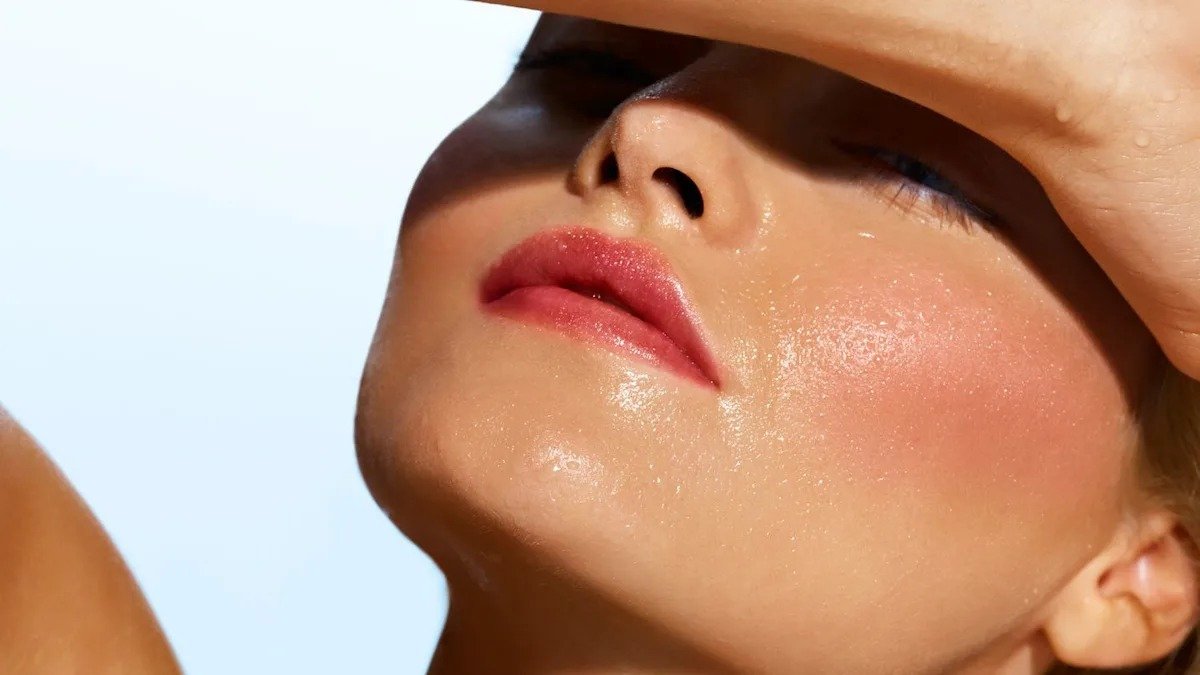
Makeup is an important part of personal styling, bridal preparation, special occasions, and professional beauty services. The right makeup approach can enhance natural features, complement an outfit, and create a polished appearance suited to an individual’s preferences. Cothalic Makeup is the focus of this guide, covering makeup preparation, application techniques, product selection, and professional considerations for achieving a refined beauty look.
Because the term “Cothalic Makeup” is not a widely established makeup category, its precise meaning may depend on the salon, brand, or service provider using the name. Clients should confirm the intended style and desired finish with their makeup artist before booking. The following guide covers the key principles that can help achieve a personalised, well-balanced makeup result.
What Is Cothalic Makeup?
Cothalic Makeup can be approached as a personalised makeup service focused on creating a coordinated appearance through skin preparation, complexion products, eye makeup, lip colour, and finishing techniques. The final look should reflect the client’s skin type, facial features, outfit, occasion, and comfort level.
A professional consultation helps establish whether the desired result is natural, soft glam, traditional bridal, or a more dramatic look. Sharing reference photographs can also help the makeup artist understand the preferred colour palette, coverage, and finish.
The most important goal is to achieve makeup that complements the individual rather than simply following a fixed trend.
Popular Makeup Styles for Different Occasions
1. Natural Makeup
Natural makeup focuses on enhancing the complexion while maintaining a lightweight, understated appearance. Sheer foundation or skin tint, subtle blush, softly defined eyes, and a neutral lip colour can create a fresh finish.
This style is suitable for daytime functions, casual gatherings, professional photographs, and clients who prefer minimal coverage.
2. Soft Glam Makeup
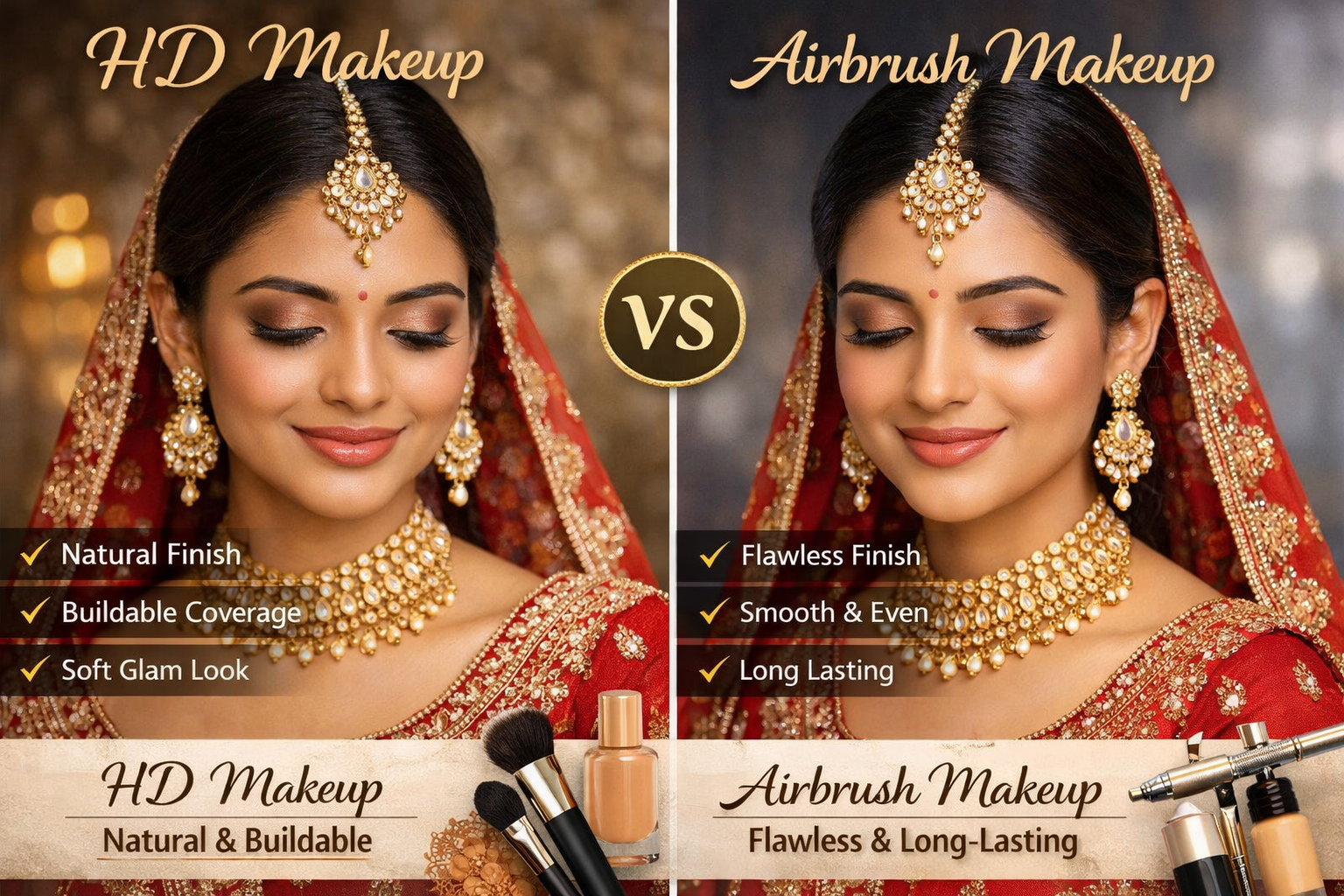
Soft glam combines a smooth complexion with softly defined eyes, blended eyeshadow, mascara, shaped brows, and a complementary lip colour.
It offers more definition than natural makeup without creating an overly dramatic appearance. The finish can be adjusted to suit engagement ceremonies, parties, receptions, and evening events.
3. Bridal Makeup
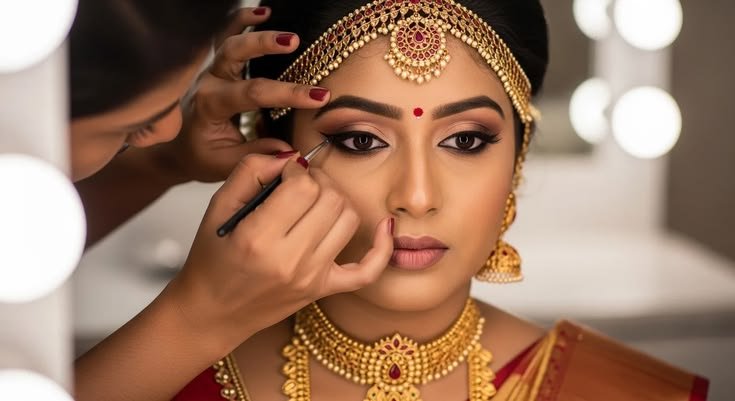
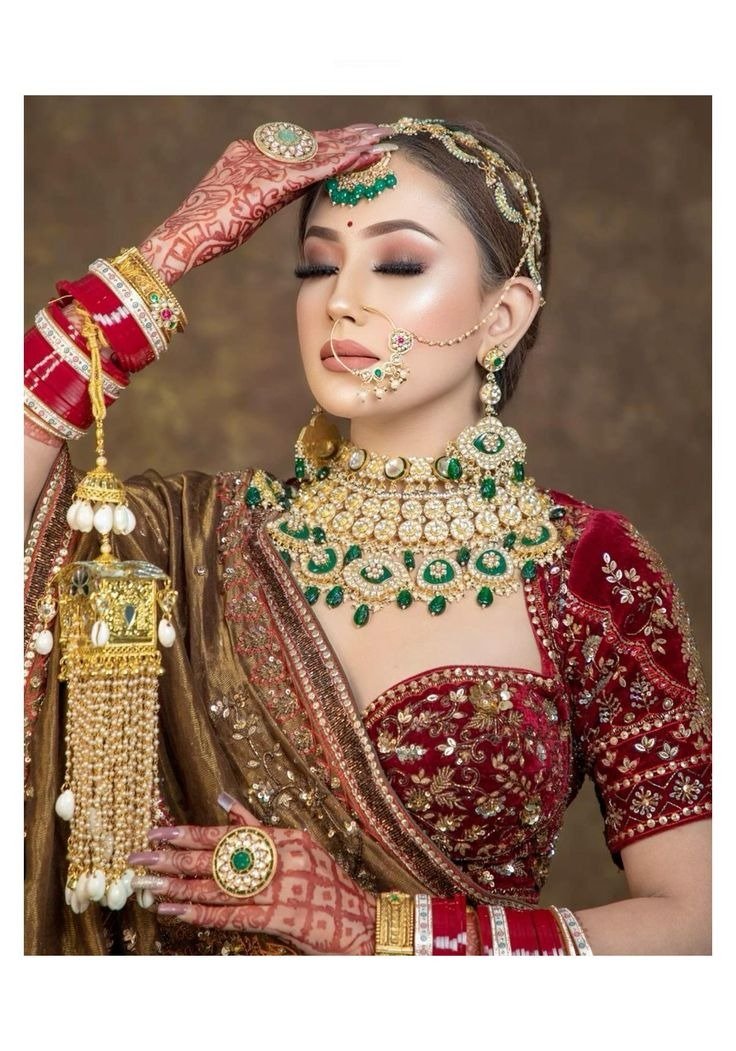
Bridal makeup is designed around the wedding outfit, jewellery, photography requirements, event schedule, and personal preferences. It may include carefully layered complexion products, detailed eye makeup, contouring, highlighting, and a coordinated lip colour.
A bridal trial is helpful because it allows the client and makeup artist to evaluate the look in different lighting conditions and make adjustments before the wedding day.
4. Traditional Makeup
Traditional makeup may incorporate colours and techniques that complement cultural attire, jewellery, and ceremonial styling. Depending on the desired look, the artist may use defined eyeliner, richer eyeshadow, classic lipstick shades, or a more sculpted complexion.
The approach should be adapted to the client’s individual preferences and the specific occasion.
5. Party Makeup
Party makeup can range from subtle and elegant to bold and glamorous. Smoky eyes, metallic eyeshadow, statement lipstick, and luminous complexion products are common options.
The ideal combination depends on the event’s lighting, outfit colours, duration, and desired level of definition.
Essential Steps for a Professional Makeup Application
A well-planned makeup application involves more than choosing suitable products. Each stage contributes to the overall finish.
Step 1: Prepare the Skin
Cleanse the skin gently and apply a moisturiser suitable for the skin type. Allow skincare products to settle before applying makeup. During the day, use appropriate sun protection as part of the skincare routine.
Avoid introducing unfamiliar skincare products immediately before an important event, as they may cause irritation or unexpected reactions.
Step 2: Apply a Suitable Primer
Primer can help create a more even surface for makeup application. Different formulations are designed for different needs, including shine control, hydration, and smoothing the appearance of pores.
The primer should work well with the selected complexion products rather than being chosen solely because it is popular.
Step 3: Choose the Right Foundation
Foundation should match the client’s skin tone and undertone as closely as possible. Testing the shade along the jawline in natural light can help assess the match.
Coverage should be selected according to personal preference and the needs of the occasion. A thin, even application often looks more natural than applying excessive product.
Step 4: Conceal and Correct
Concealer can help reduce the appearance of under-eye darkness, blemishes, or uneven pigmentation. Colour correction may be useful in specific situations, but it should be applied selectively and blended carefully.
Using a suitable shade and a small amount of product helps prevent a heavy or uneven finish.
Step 5: Define the Eyes and Brows
Eye makeup may include eyeshadow, eyeliner, mascara, and brow products. The colour palette should complement the overall look and suit the client’s preferences.
For long events, waterproof or water-resistant products may be useful where appropriate. Products should be applied hygienically, especially around the eyes.
Step 6: Add Blush, Contour, and Highlight
Blush adds colour to the cheeks, contour can create subtle definition, and highlighter adds reflected light to selected areas.
These products should be blended according to the face shape, complexion, and desired finish. Using them sparingly can help preserve a balanced appearance.
Step 7: Select a Complementary Lip Colour
Lip colour helps complete the makeup look. Nude, pink, peach, red, and deeper shades can each work well depending on the outfit and occasion.
Lip preparation, precise application, and a suitable lip liner can improve the final result. Long-wearing formulas may be useful for weddings and extended functions.
Step 8: Set and Review the Makeup
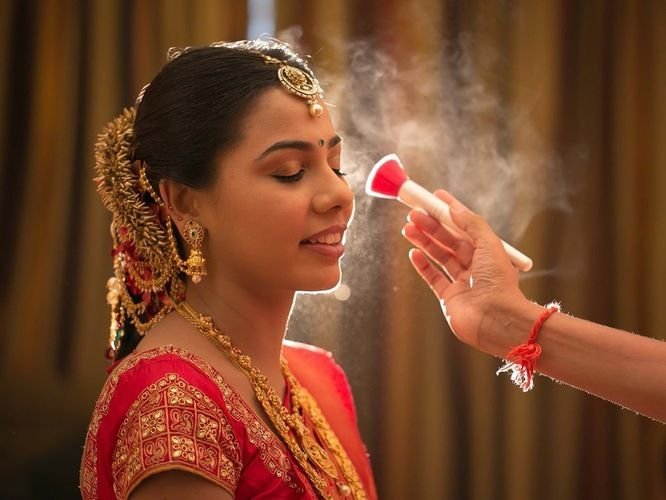
Setting powder or setting spray can help improve makeup wear, depending on the products used and the skin type.
Before finishing, review the makeup in natural and indoor lighting. Check blending, foundation matching, symmetry, and comfort. The goal is a cohesive appearance that looks appropriate both in person and in photographs.
Choosing Makeup Products for Different Skin Types
Product selection should consider skin characteristics, comfort, climate, and the expected duration of wear.
Dry skin: Hydrating skincare and suitably moisturising complexion products may help reduce the appearance of dry patches.
Oily skin: Lightweight products and targeted powder application may help manage excess shine without unnecessarily drying the skin.
Combination skin: Different areas may need different levels of hydration or shine control.
Sensitive skin: Fragrance-free or otherwise suitable formulations may be preferable. Patch testing new products can help identify potential irritation before an event.
Mature skin: Flexible, well-blended products and carefully controlled powder application can help create a comfortable finish without excessive buildup.
No product works equally well for everyone. Testing products in advance is particularly useful for important occasions.
How to Make Makeup Last Longer
Long-lasting makeup depends on preparation, product compatibility, application technique, and the surrounding environment.
- Prepare the skin according to its needs.
- Apply complexion products in thin, even layers.
- Allow skincare and primer to settle before continuing.
- Choose products suitable for the weather and event duration.
- Set areas that tend to become oily, where appropriate.
- Avoid repeatedly touching the face.
- Carry blotting papers and selected touch-up products for long events.
- Remove makeup gently at the end of the day.
For weddings and professional photography, a makeup trial can help identify products and techniques that perform well under the expected conditions.
Why Choose a Professional Makeup Artist?
A professional makeup artist can help clients select a suitable look, match complexion products, coordinate colours, and apply makeup using appropriate techniques.
When choosing a makeup artist, consider the following:
- Portfolio: Review examples of completed makeup looks.
- Experience: Ask about experience with the specific occasion or style.
- Consultation: Discuss skin type, preferences, outfit colours, and desired coverage.
- Hygiene: Confirm that brushes and tools are cleaned appropriately and disposable applicators are used when needed.
- Product suitability: Discuss known sensitivities and product preferences before the appointment.
- Pricing and services: Confirm what the package includes, including trials, travel, touch-ups, and additional services.
- Timing: Plan sufficient time for preparation and application, especially on the wedding day.
Clear communication helps ensure that the final result matches the client’s expectations as closely as possible.
Frequently Asked Questions
What is Cothalic Makeup?
The term Cothalic Makeup does not have a widely recognised standard definition in the makeup industry. Its intended meaning may depend on the salon or service provider, so clients should confirm the style and services included before booking.
Is Cothalic Makeup suitable for bridal occasions?
It may be suitable if the makeup artist offers a bridal look that matches the client’s preferences. Discuss the desired finish, coverage, colour palette, and event requirements during a consultation.
How can I make makeup look natural?
Prepare the skin, choose a well-matched foundation, apply products in thin layers, blend thoroughly, and use contour, blush, and highlighter selectively.
How early should I book a bridal makeup artist?
Booking several weeks or months in advance can provide more time for consultations and trials, especially during busy wedding seasons. Availability varies by artist and location.
How can I maintain makeup hygiene?
Use clean brushes and tools, avoid sharing products that directly contact the eyes or lips, and follow safe application practices. Do not apply products over irritated or infected skin.
What should I discuss before a makeup appointment?
Share your preferred style, occasion, outfit, skin concerns, known sensitivities, reference photographs, budget, and event timing. Confirm the services and products included in the booking.
Conclusion
Cothalic Makeup is a term whose exact meaning should be confirmed with the relevant makeup artist or beauty service provider. Regardless of the intended style, a successful makeup application depends on suitable skin preparation, carefully selected products, balanced colour choices, hygienic techniques, and attention to individual preferences.
Whether preparing for a wedding, engagement, party, photoshoot, or special celebration, a consultation and advance trial can help create a polished look that complements the occasion and feels comfortable throughout the event.
Looking for a personalised makeup look for your special occasion? Consult a professional makeup artist to discuss your preferred style, product requirements, and appointment details.